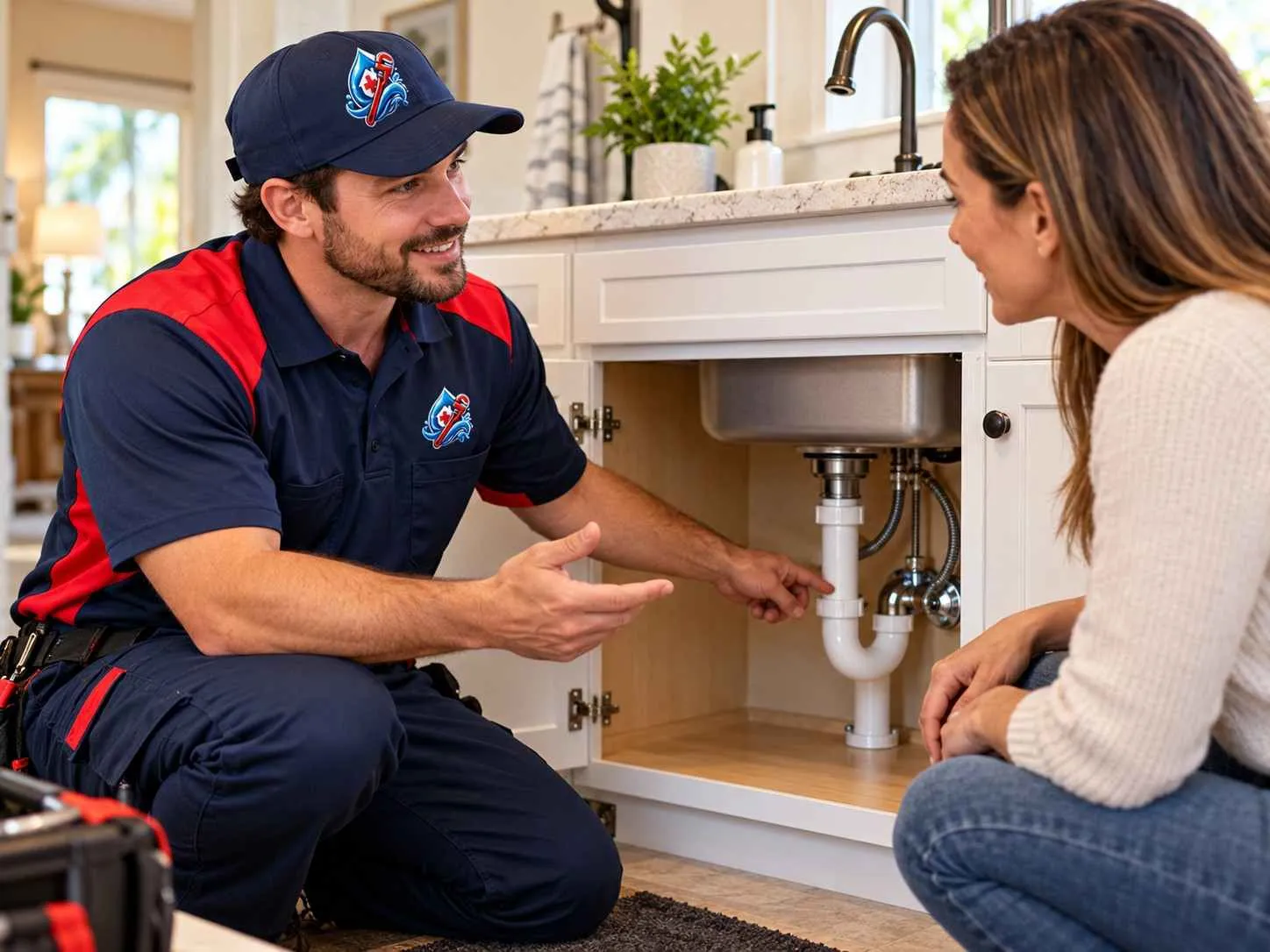
Blocked Bowl
Water rising after a flush may indicate that the toilet trapway or immediate outlet cannot carry the discharge away.
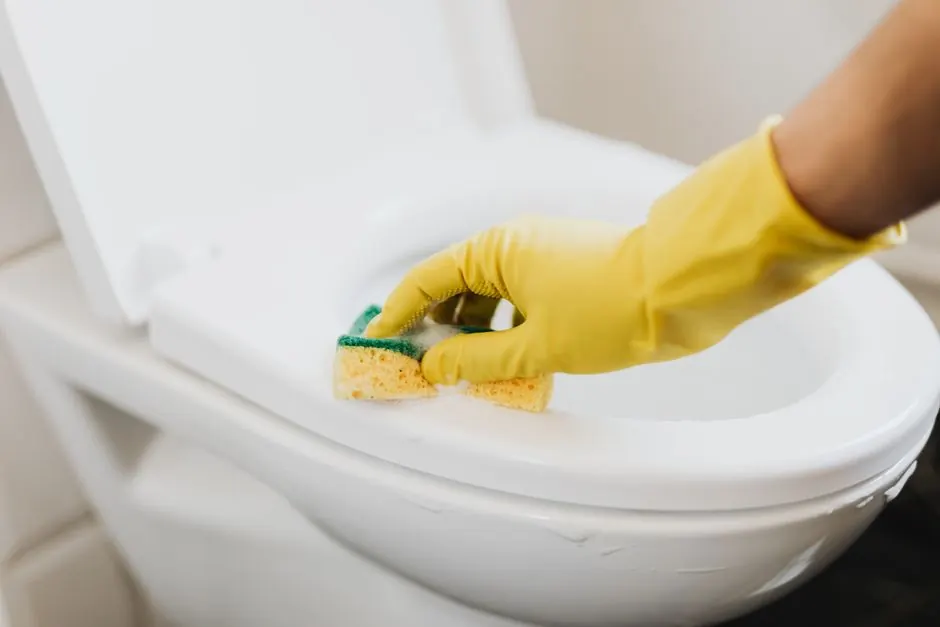
Toilet Overflow Help
If the toilet bowl keeps rising or water spills across the bathroom floor, stop flushing. Call Plumb Rescue to request help assessing the fixture, its components and immediate drain connection.
Fixture Coverage
Toilet overflow repair focuses on a fixture that cannot complete a normal flush or stop abnormal water delivery. A downstream shared backup requires a different assessment.
Water rising after a flush may indicate that the toilet trapway or immediate outlet cannot carry the discharge away.
A defective fill valve or float may keep feeding the tank. The contractor checks the component and whether the bowl drains normally.
An overflow that returns after an earlier incident may involve a remaining obstruction or an unresolved fixture fault.
A damaged flush mechanism can interfere with normal tank operation. The plumber assesses the model and affected components.
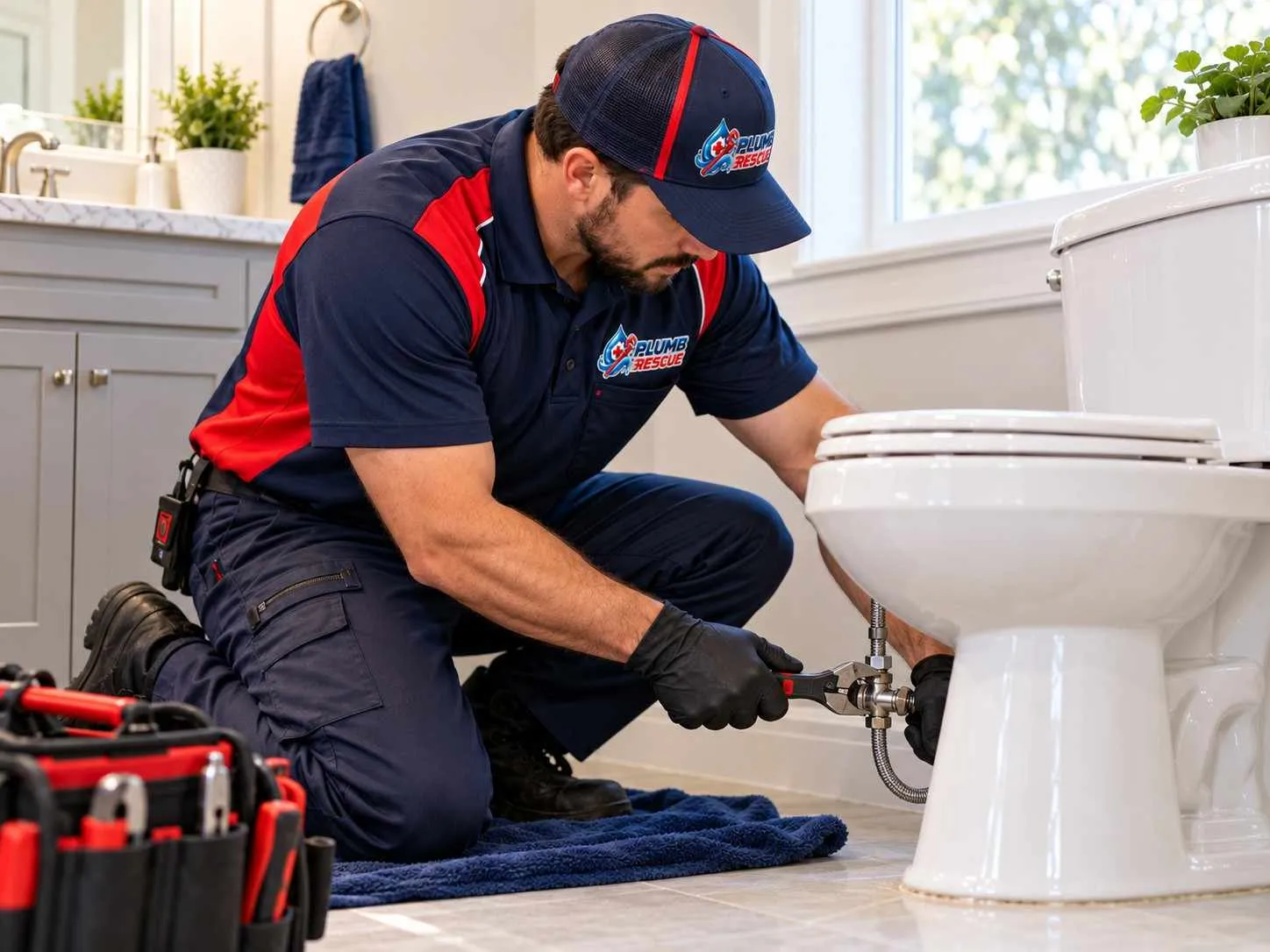
Bathroom Disruption
A toilet overflow affects sanitation and bathroom access. The repair should restore safe operation rather than simply lower the water level once.
When the property has only one usable toilet, the loss of that fixture can disrupt essential household needs.
Water leaving the bowl may contaminate flooring and adjacent surfaces. Keep occupants away until appropriate cleanup is arranged.
A tank that keeps filling can waste water and compound an existing bowl drainage problem. Keep the fixture isolated when safe.
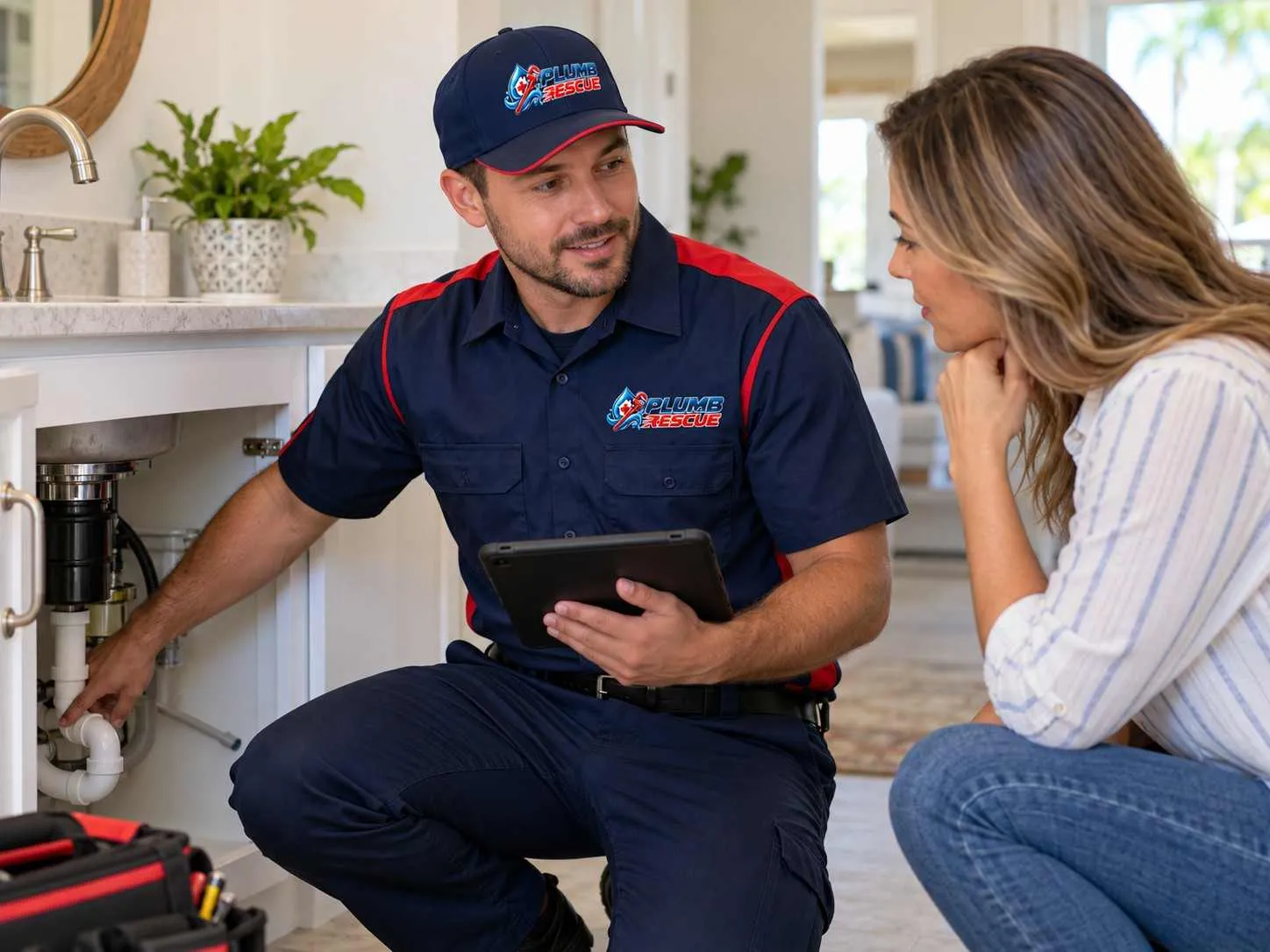
Fixture Process
The plumber distinguishes bowl drainage from tank operation before choosing a repair. Ask which parts or clearing work the proposed scope includes.
The contractor confirms whether the toilet supply can be isolated safely and the fixture left out of use.
The plumber examines the visible bowl and outlet behavior to assess whether a localized obstruction may be involved.
The fill valve, float and flush mechanism are checked as appropriate for the toilet model and reported symptoms.
The contractor clears a suitable localized obstruction or services the affected component after approval.
The plumber checks that the bowl drains and the tank refills and stops as intended before normal use resumes.
Component Choices
A clogged trapway and a running tank are different failures. The repair method follows the fixture's actual condition.
A suitable localized obstruction may be cleared with equipment appropriate for the toilet without damaging its surfaces.
A valve that fails to stop filling may need servicing or a model-compatible replacement.
A worn flapper or canister seal can allow water to pass from the tank into the bowl. Repair depends on the fixture design.
An object lodged beyond reachable access may require a different approach. Ask whether toilet removal is necessary before approving it.
Stop Overflow
Avoid repeated flushing when the bowl is already high. The immediate goal is to stop adding water and keep the area safe.
Do not flush again to see whether the blockage has disappeared. Another flush may overflow the bowl.
If safe, close the toilet's private shutoff valve when water continues to enter. For broader isolation, see our water shut-off guide.
Keep children and pets away from spilled bowl water and any nearby electrical hazards.
Tell the emergency plumber assistance line if the bowl rises without flushing or the tank keeps running. Plumb Rescue accepts requests 24/7.
The overflowing toilet guide explains immediate household precautions.
If other fixtures also return wastewater, report that pattern and ask about sewer backups.
Toilet Components
Toilet designs differ, so the contractor identifies the model and relevant component before selecting replacement parts.
Paper, waste or a foreign object may obstruct the curved passage within the toilet.
A float helps control when the tank stops filling. A fault can leave water running into the tank overflow path.
A chain, lever or canister assembly may fail to close the flush outlet correctly.
An incorrect tank water level can affect filling behavior. Kohler's running toilet guidance describes several component-related causes.
Fixture Evidence
Describe the last normal use and the symptoms you already saw. Do not deliberately flush a toilet that has overflowed.
Say whether the bowl rose immediately after using the handle. That timing can support investigation of an outlet restriction.
Report whether the bowl level changed without flushing. The contractor may need to assess both fixture filling and drainage conditions.
Mention a persistent refill or running noise. Continuous filling is not by itself proof of a blocked bowl.
If safely visible, share the toilet brand or model. Parts such as flush seals and fill valves can vary by design.
Safe Return
A lower bowl level alone does not establish that the underlying problem is fixed. Ask the contractor to verify normal fixture operation.
The bowl should discharge normally during appropriate testing by the plumber without rising abnormally.
The tank should stop filling at the intended level for that model rather than continue feeding water.
If the toilet was removed or disturbed, ask whether the contractor checked its connection and stability after reinstallation.
If nearby drains remain affected, the fixture repair may not resolve the larger drainage restriction. Report any remaining symptoms.
Toilet Questions
A faulty fill valve may keep supplying water. Bowl overflow usually also involves inadequate drainage or another abnormal condition. The contractor should assess both systems.
No. Running water may remain contained within the fixture while wasting water. Seek urgent assistance when it spills, cannot be controlled or makes the bathroom unusable.
Not automatically. A localized blockage or repairable tank component may be responsible. Replacement depends on the fixture condition and the contractor's assessment.
Avoid another flush until the cause has been assessed. A falling water level may only show that some water has slowly passed through the restriction.
The fixtures may share a restricted downstream drain. Report which outlets are involved so the contractor can assess whether sewer-focused assistance is more appropriate.
Restore Your Toilet
Call (941) 304-0879 and explain whether the bowl rises after flushing, the tank keeps filling or water reaches the floor. We help connect Bradenton callers with independent contractors, subject to availability.