Split Pipe
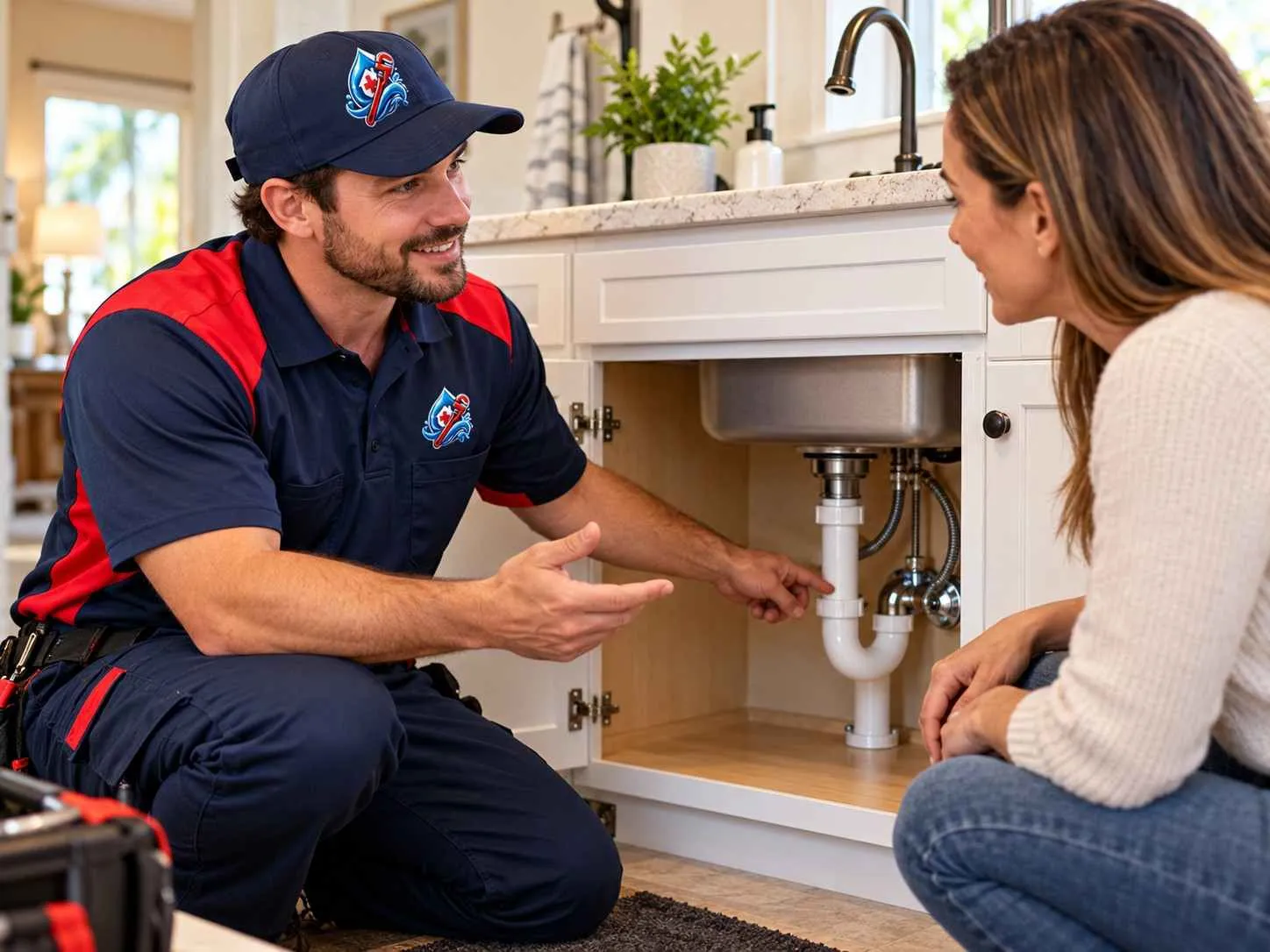
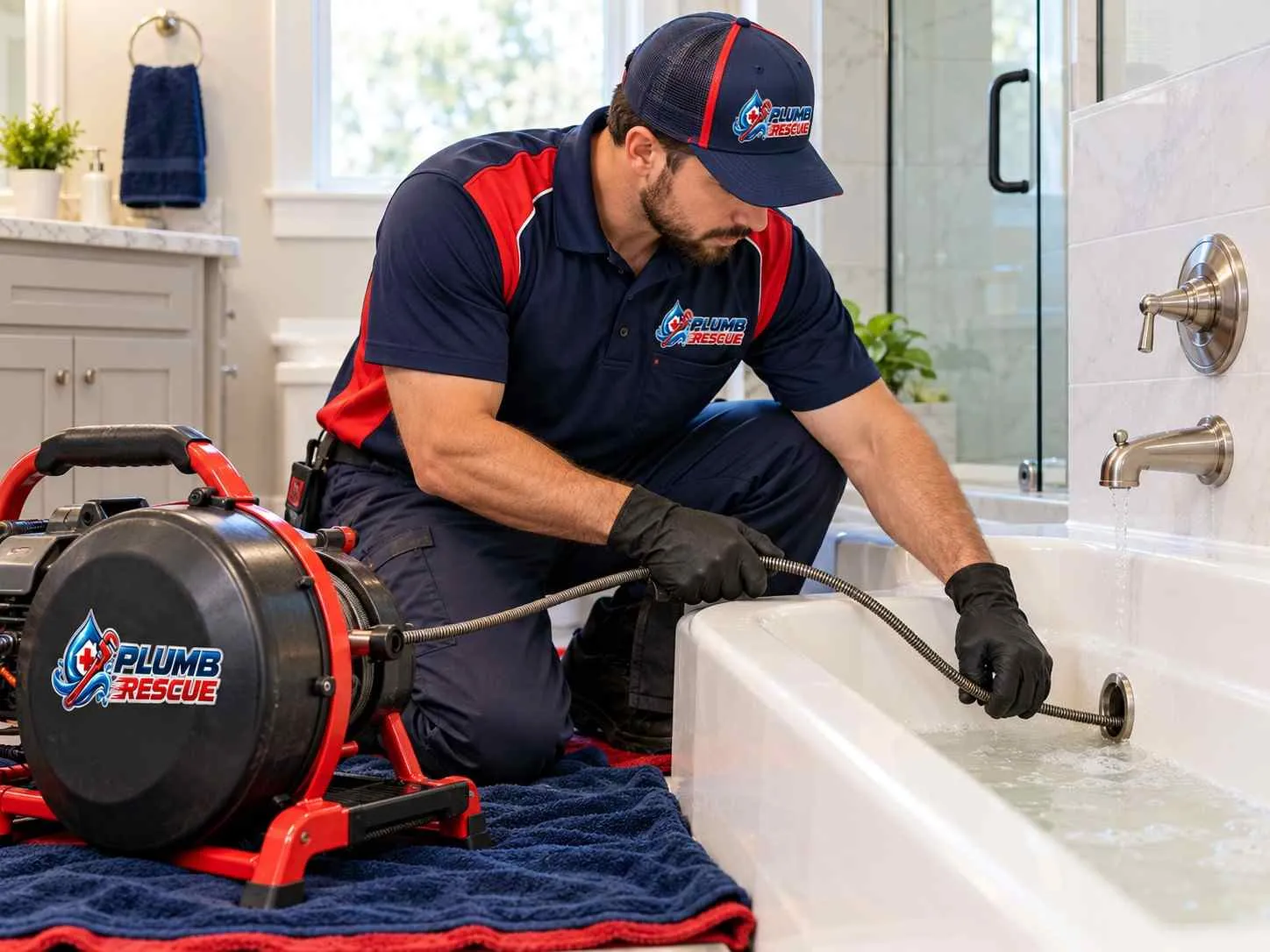
A plumber checks the length of a visible split and the soundness of the pipe on both sides before proposing a replacement section.

Broken Pipe Help
A split pipe can leave your home flooded and your water supply shut off. Call Plumb Rescue to request help with the damaged pipe or connection and arrange a repair with an independent contractor.
Repair Coverage
A rupture is a physical opening in a water supply component. The repair must address the break itself, not simply stop the flow.
A plumber checks the length of a visible split and the soundness of the pipe on both sides before proposing a replacement section.
A pulled-apart connection can release water even when the pipe wall is intact. The contractor examines the joining method and adjacent supports.
A broken elbow, tee or coupling needs a compatible replacement that fits the existing pipe and service conditions.
A damaged branch feeding a bathroom, kitchen or appliance may require temporary isolation so the remaining system can be assessed.
Supply Disruption
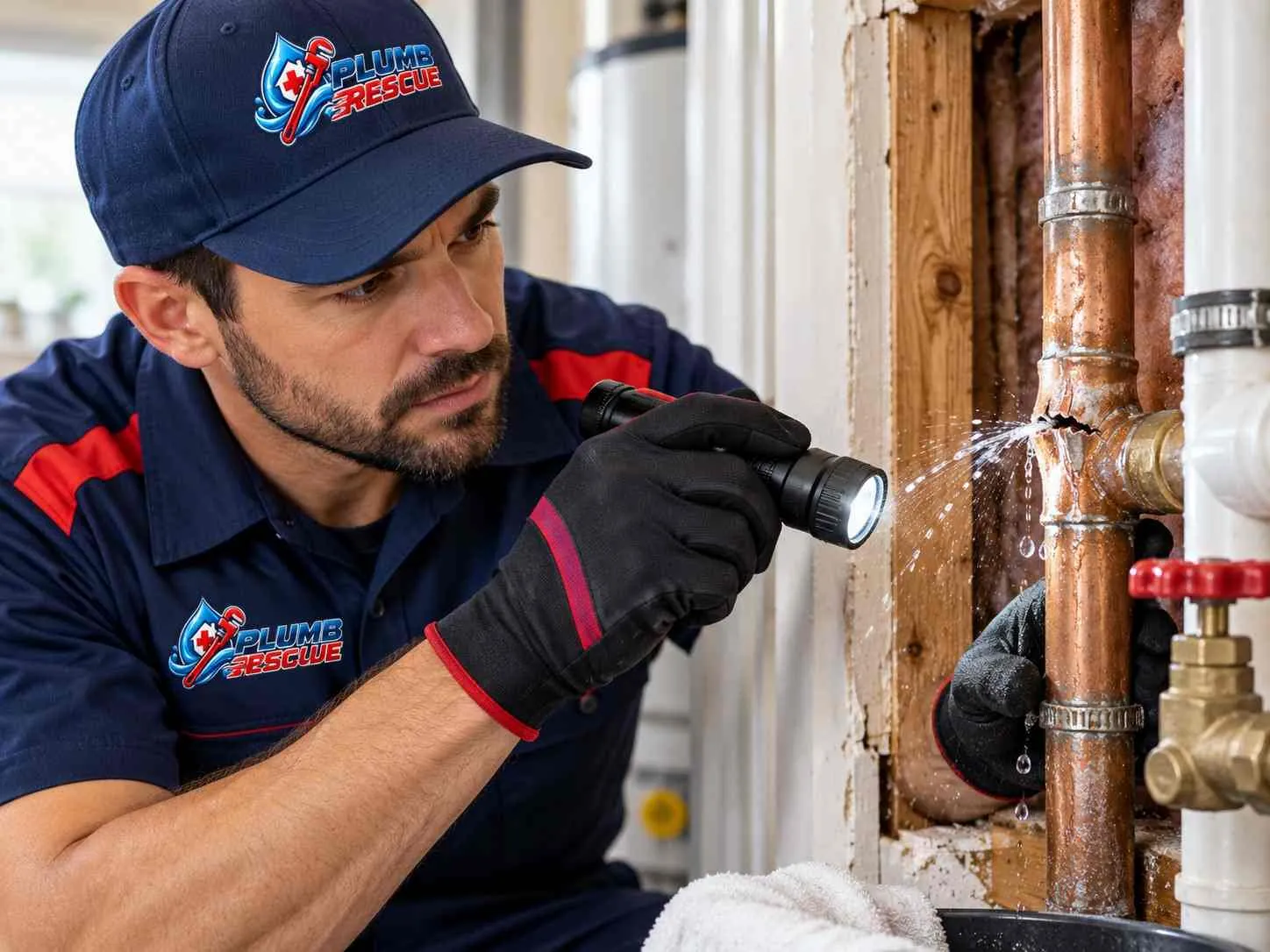
A shutoff may control the discharge, but the property still has a failed supply line. Ask for help before returning water to the damaged branch.
Closing the main valve can leave toilets, faucets and appliances without their usual supply. A repair plan helps establish when water can return safely.
A split remains open even after the flow stops. Restoring pressure prematurely may release more water into the same area.
Water can reach drywall, cabinets and flooring. Plumbing repair addresses the failed line; drying and building restoration may require separate specialists.
Repair Process
The sequence depends on pipe location, material and access. Discuss the work and charges before approving the repair.
The contractor identifies the valve that controls the broken section and checks whether the damaged line is safely isolated.
The plumber examines the opening and nearby connections to determine whether the break is confined to one point.
Copper, PEX and CPVC require different fittings and connection methods. The contractor identifies the existing pipe before choosing parts.
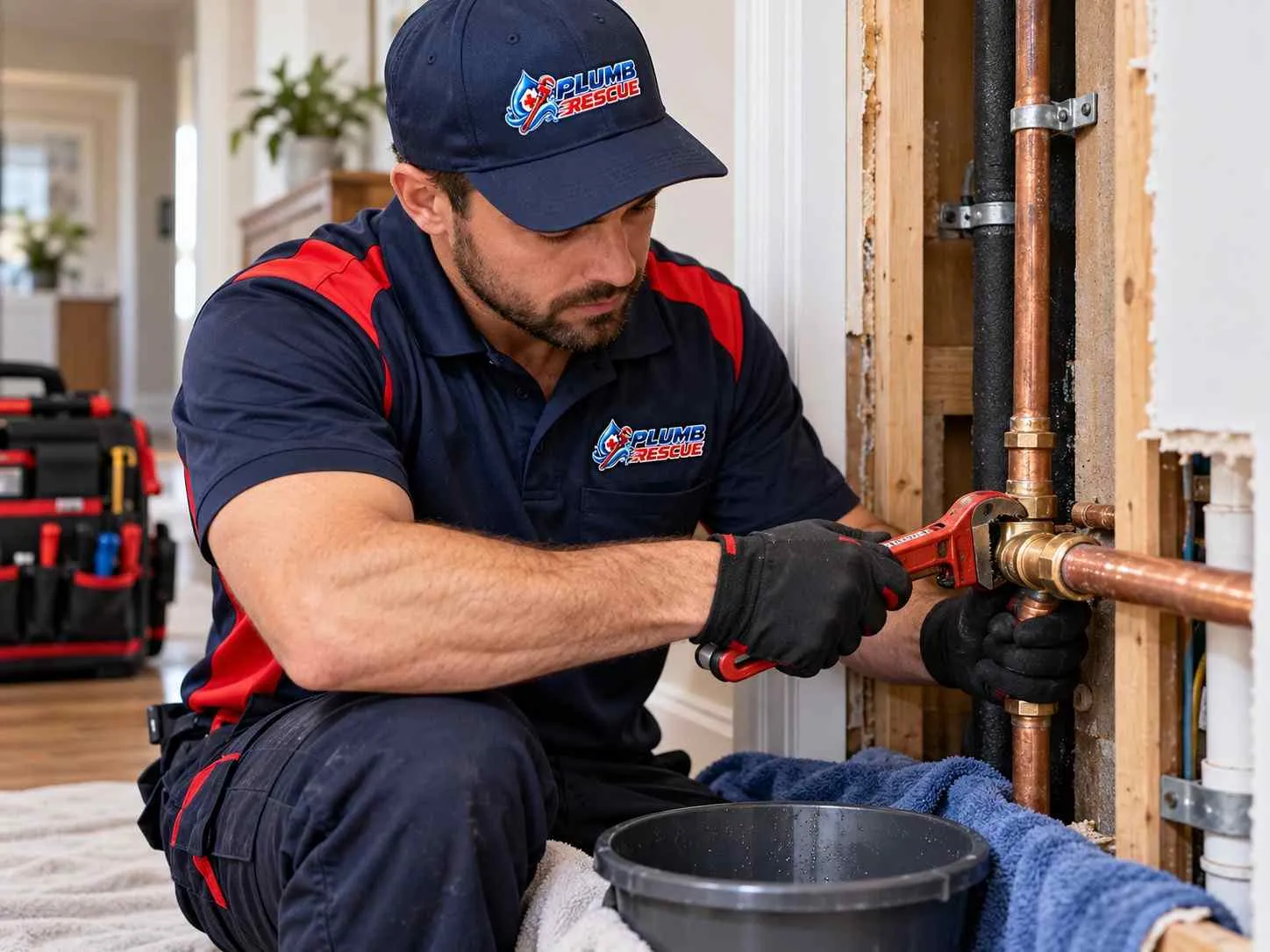
After approval, the plumber removes or repairs the failed component and reconnects sound sections using a suitable method.
The plumber checks the repaired connection as pressure returns and verifies that the affected outlets receive water.
Repair Options
The location and extent of a rupture determine whether one fitting, a short length or a larger section needs attention.
A break between sound pipe ends may allow a localized replacement without replacing an entire plumbing system.
A failed connection may need a new fitting rather than a long pipe run. Nearby movement or poor support deserves assessment.
Where two pipe materials meet, the joining parts must suit both materials and the installation conditions.
A concealed rupture may require a planned opening. Ask the contractor how much access is needed and who will restore the surface.
Before Repair
Keep the damaged line out of use. These precautions support repair readiness rather than replace professional assistance.
Close the appropriate private valve only if you can reach it safely. Follow utility shutoff guidance for the distinction between fixture and main isolation.
Avoid wet electrical outlets, equipment and unsafe flooded spaces. Seek emergency assistance if occupants face an immediate danger.
From a safe position, photograph the break and affected area before access or damaged material is disturbed.
Tell Plumb Rescue whether the pipe is exposed and whether the water is already off. We accept requests around the clock and connect callers with independent contractors.
Read our burst pipe response for immediate household precautions.
If you cannot identify the correct main water valve, avoid forcing an unfamiliar control.
Failure Factors
The contractor considers why the rupture happened so the new connection does not simply repeat the same failure.
Deterioration can thin metal pipe walls. The extent of surrounding damage affects whether a short repair is suitable.
An unsupported or strained line can put force on its joints, especially where a rigid pipe changes direction.
Accidental contact during building work or equipment movement can crack a line or damage a nearby fitting.
Pressure conditions may contribute to a failure. A contractor can assess whether further pressure investigation is warranted.
Repair Evidence
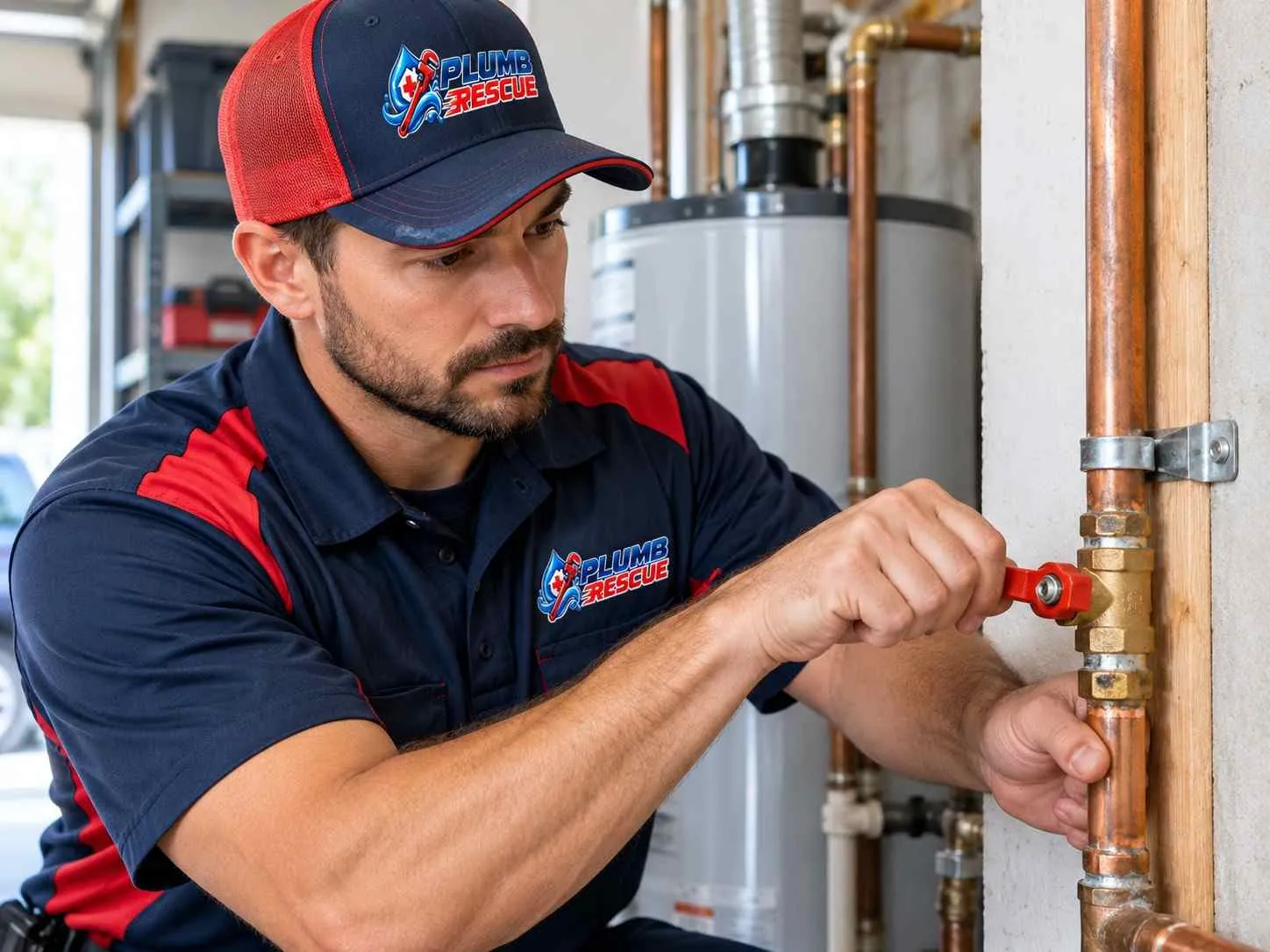
Clear observations help the contractor prepare for access and suitable repair materials. Do not dismantle the pipe to gather details.
Describe the split or separated connection if it is already exposed. A photo can help identify the apparent component.
Report whether the rupture is under a sink, in a utility space or within a finished wall.
List the fixtures without water after isolation. This can help establish which branch serves them.
Mention any earlier repairs or recent work near the break. The contractor may need to examine the transition to older pipe.
Repair Completion
After the repair, ask the responding plumber how the line was checked and what remains to be done.
The contractor checks new connections for visible leakage under normal operating conditions.
Confirm that the affected fixtures receive water after the supply returns and that their operation is appropriate.
Ask whether adjacent pipe deterioration needs further review. A localized repair does not resolve unrelated damage elsewhere.
If there is no rupture but a known connection is dripping, water leak repair may better match the problem.
Repair Questions
Sometimes. A localized break may be repaired if the surrounding pipe remains sound and the connections can be made safely. Widespread damage may require a different scope.
Yes. Keeping the failed line isolated can limit discharge while the contractor inspects it. The damaged component still needs attention before normal use.
That depends on access to the rupture. Ask about the planned opening and whether wall or flooring restoration is included or needs a separate trade.
Not necessarily. The material, diameter and joining method determine which replacement parts and techniques are appropriate.
The incoming service connection may need a different assessment. Contact your utility if the break appears to involve its equipment; confirm private-line assistance with the contractor.
Restore Water
Call (941) 304-0879 and describe the ruptured line and current shutoff status. Plumb Rescue helps connect Bradenton property owners with independent contractors; repair availability and terms are confirmed separately.