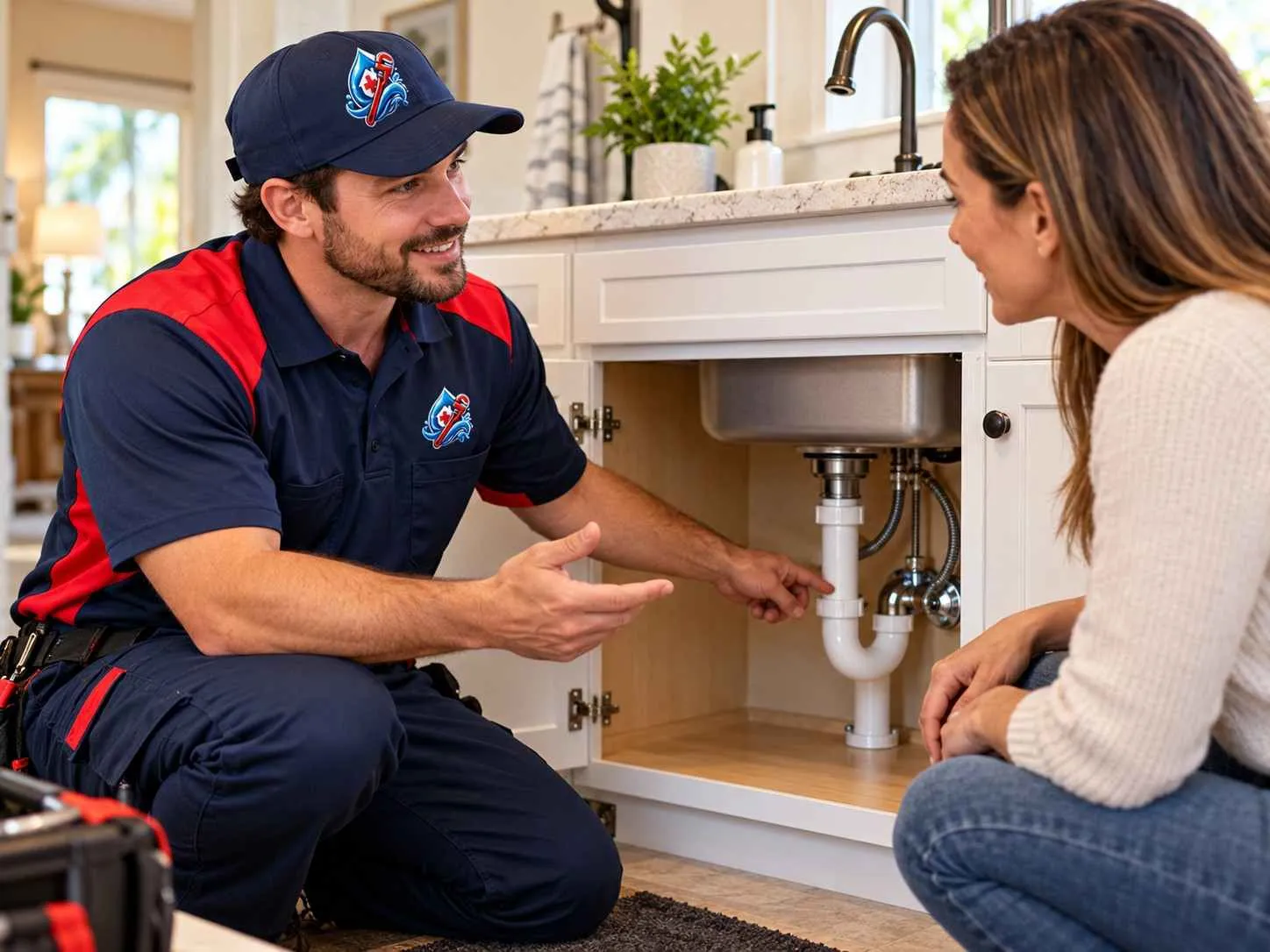
Leaky Fitting
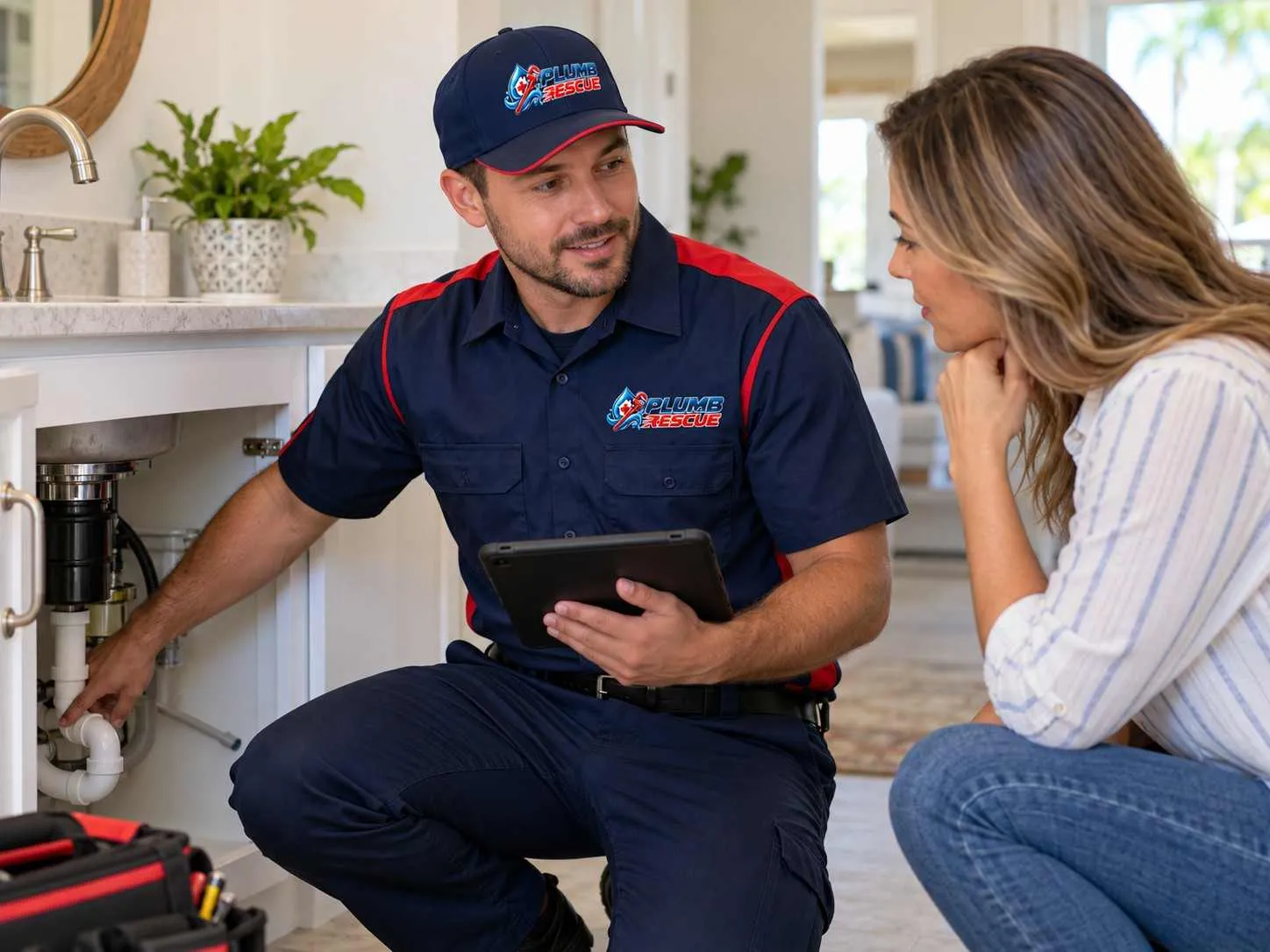
A wet compression, threaded or other fitting may need attention to its seal or connection. The plumber checks the actual point of escape before proposing work.
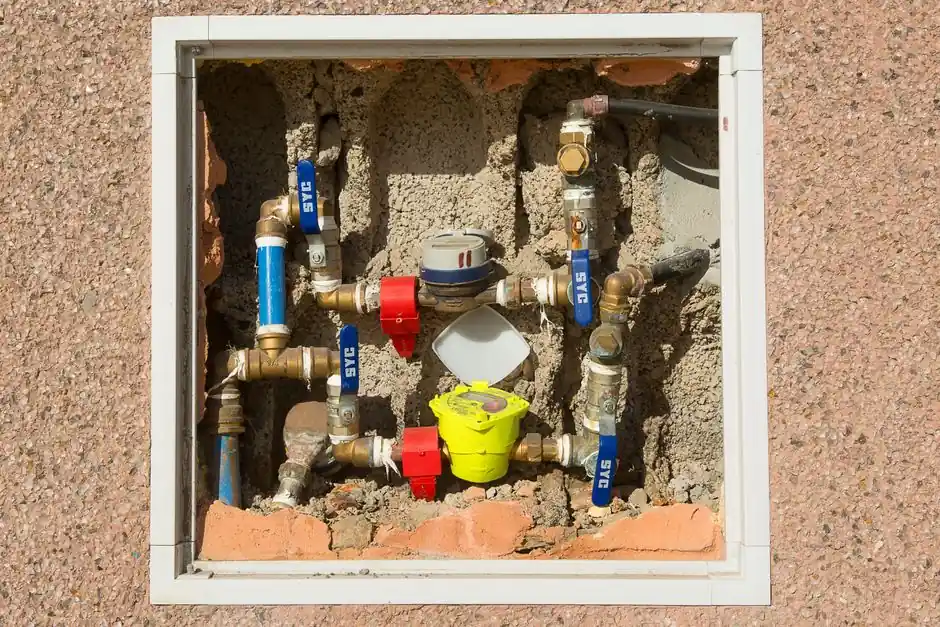
Active Leak Help
If a visible pipe, valve or fitting keeps leaking, call Plumb Rescue to request repair assistance. An independent contractor can assess the identified connection and explain how to stop the water loss.
Leak Coverage
This service focuses on known leak points in the property. When the source remains hidden, a separate localization assessment may be needed first.
A wet compression, threaded or other fitting may need attention to its seal or connection. The plumber checks the actual point of escape before proposing work.
Water appearing around a valve stem or body can indicate a worn seal or damaged valve. The contractor determines whether servicing or replacement is appropriate.
A leaking flexible hose or its end connection can expose nearby cabinets to water. The repair needs a compatible part and sound connection points.
A small opening in an accessible pipe may release water steadily. The contractor examines adjacent material to establish whether a targeted repair is sensible.
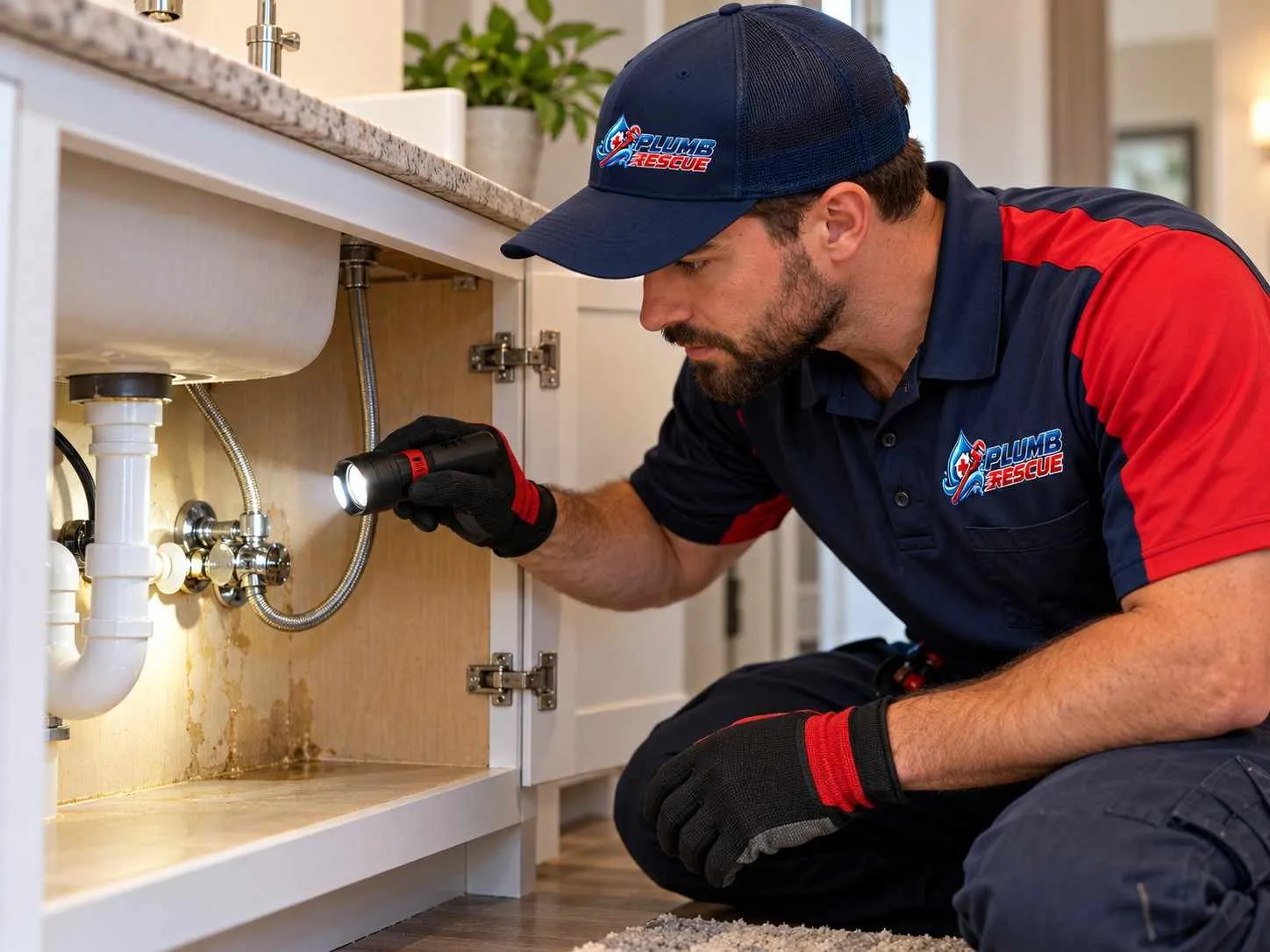
Moisture Control
A small leak can continue unnoticed between uses or while water remains under pressure. The affected connection and surrounding finishes need separate consideration.
Water trapped below a sink can wet stored items and cabinet panels. Repairing the connection stops new leakage but does not dry soaked material.
Liquid can run along a floor joint or underneath a nearby covering. Share the direction of moisture travel without lifting the surface yourself.
A fitting that becomes wet after being dried may still be leaking. Avoid repeatedly testing a connection that is causing damage.
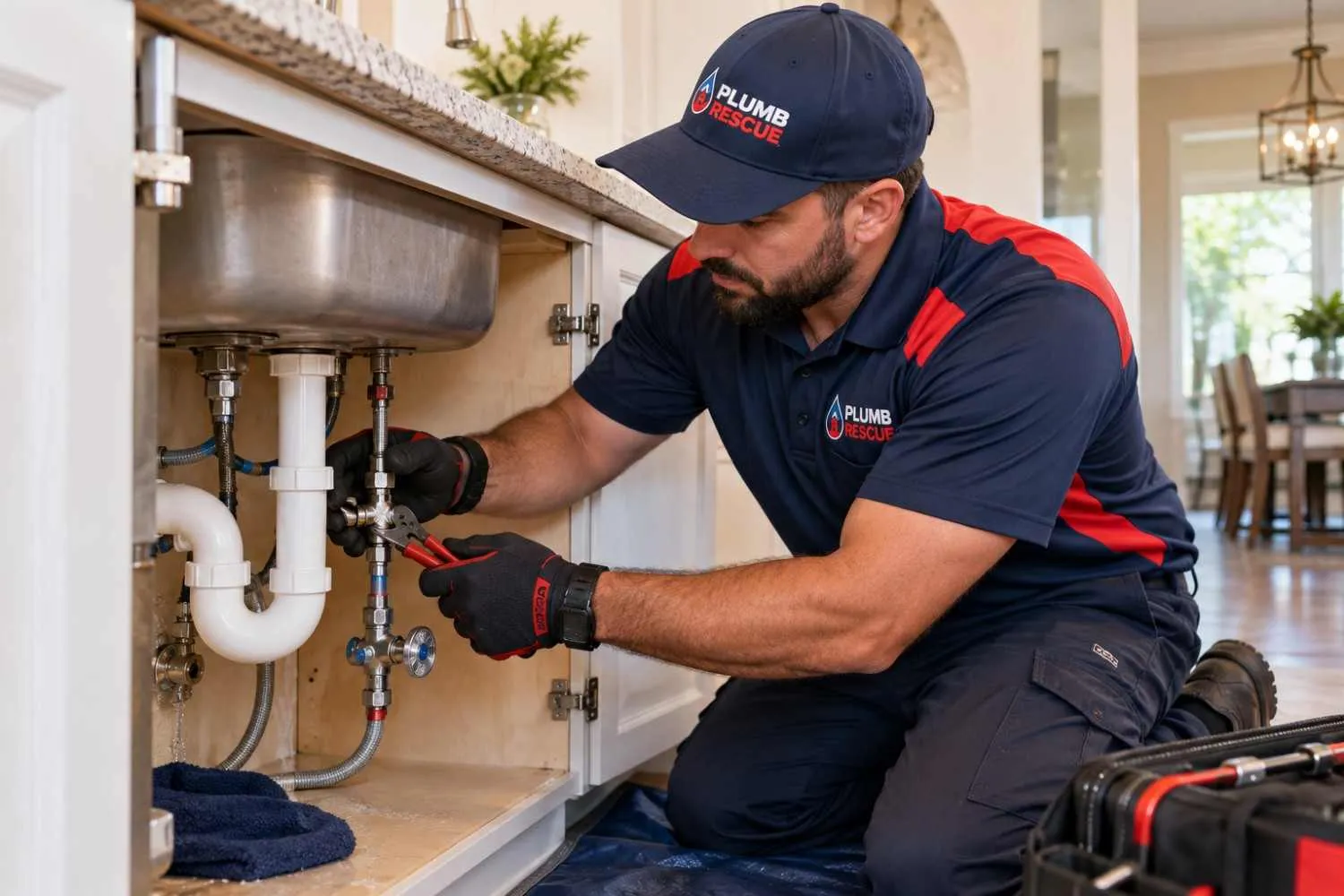
Leak Assessment
The responding plumber assesses the known leak point, then explains the repair method and any further work needed.
The contractor checks the visible valve, hose, fitting or pipe to distinguish the leaking component from nearby moisture.
The affected supply is isolated as appropriate to reduce water loss while the connection is inspected.
The plumber checks sealing surfaces, threads and surrounding material before deciding whether the component is repairable.
Once the work is approved, the contractor services or replaces the failed part using compatible components.
The repaired connection is inspected during normal operation to see whether fresh moisture returns.
Repair Scope
The source can be a small worn part or a component that has lost its integrity. The condition of the connection matters more than the size of the puddle.
A damaged washer or gasket may need replacement when the sealing surfaces remain suitable.
A connection may require reassembly or a new fitting. Tightening alone is not suitable for every leak and can worsen damage.
A cracked or corroded valve may need replacement rather than work on its stem or packing.
A bulging, worn or damaged supply connector may require complete replacement instead of a repair at one end.
Limit Exposure
Take simple precautions without pulling fittings apart. The EPA recommends prompt attention to identified leaks because they waste water and can damage homes.
If accessible and safe, close the private shutoff serving the leaking fixture. Do not force a stuck valve.
Move dry items away from the affected cabinet or room if you can do so safely. Avoid electrical equipment exposed to water.
Note the specific valve or fitting where fresh water appears. Leave it accessible without moving heavy appliances.
An emergency plumber can assess the connection once a referral is arranged. Plumb Rescue accepts requests 24/7; availability depends on the contractor.
For moisture appearing above you, read about ceiling water leaks before entering an unsafe area.
If the source cannot be seen, our hidden water leaks guide explains the limits of household observations.
The EPA's WaterSense maintenance guidance explains why identified water leaks deserve prompt attention.
Common Connections
These examples help describe a known source when calling. They do not establish that every plumbing system uses the same parts.
Flexible connectors and stop valves below sinks can leak at the nut, hose or valve body.
Water can escape from washing machine supply connections. A contractor can distinguish plumbing connection faults from equipment faults.
Ice maker and dishwasher supply lines may leak at accessible plumbing fittings. Appliance-specific faults may require a separate technician.
An accessible pipe in a utility space may develop a small leak at a fitting or in the pipe wall.
Leak Behavior
Explain when moisture appears. The pattern helps a plumber focus the assessment rather than assume every leak behaves the same way.
Water that drips while fixtures are idle may come from a pressurized supply connection.
Moisture that appears only when a fixture operates may involve its outlet, drain connection or another use-dependent source.
Report whether the leak changes when a valve closes. Do not operate an unfamiliar or damaged control to test it.
Water may travel along a connector before falling. The point where a drop lands is not always the point where it escaped.
Repair Verification
Ask the contractor to explain the result and any limitations before closing access or returning stored items to the area.
Inspect the identified connection with the plumber when it is safe and accessible.
Ask whether the fixture or supply branch was tested under its usual operating conditions.
Drying may continue after a successful repair. Fresh wetness and trapped old moisture need different assessments.
If the visible connection is sound but new moisture continues, request a source assessment before authorizing unnecessary repairs.
Leak Questions
Often a localized connection can be repaired if the adjoining pipe and sealing surfaces are suitable. The contractor must inspect them before deciding.
Movement may expose a worn stem seal or damaged valve component. Avoid repeated operation and ask a plumber to assess the valve.
Avoid forcing a fitting, especially plastic or corroded components. The correct response depends on the connection type and condition.
Yes. Existing moisture may remain after the plumbing repair. Drying and damage assessment may require a separate qualified service.
The contractor may need to locate the source before recommending repair. Share where moisture appears and when it returns; do not assume the wettest area identifies the failed part.
Stop Water Loss
Call (941) 304-0879 and describe the visible leak and affected fixture. We help arrange independent contractor assistance in Bradenton; confirm the proposed work and charges with the contractor.