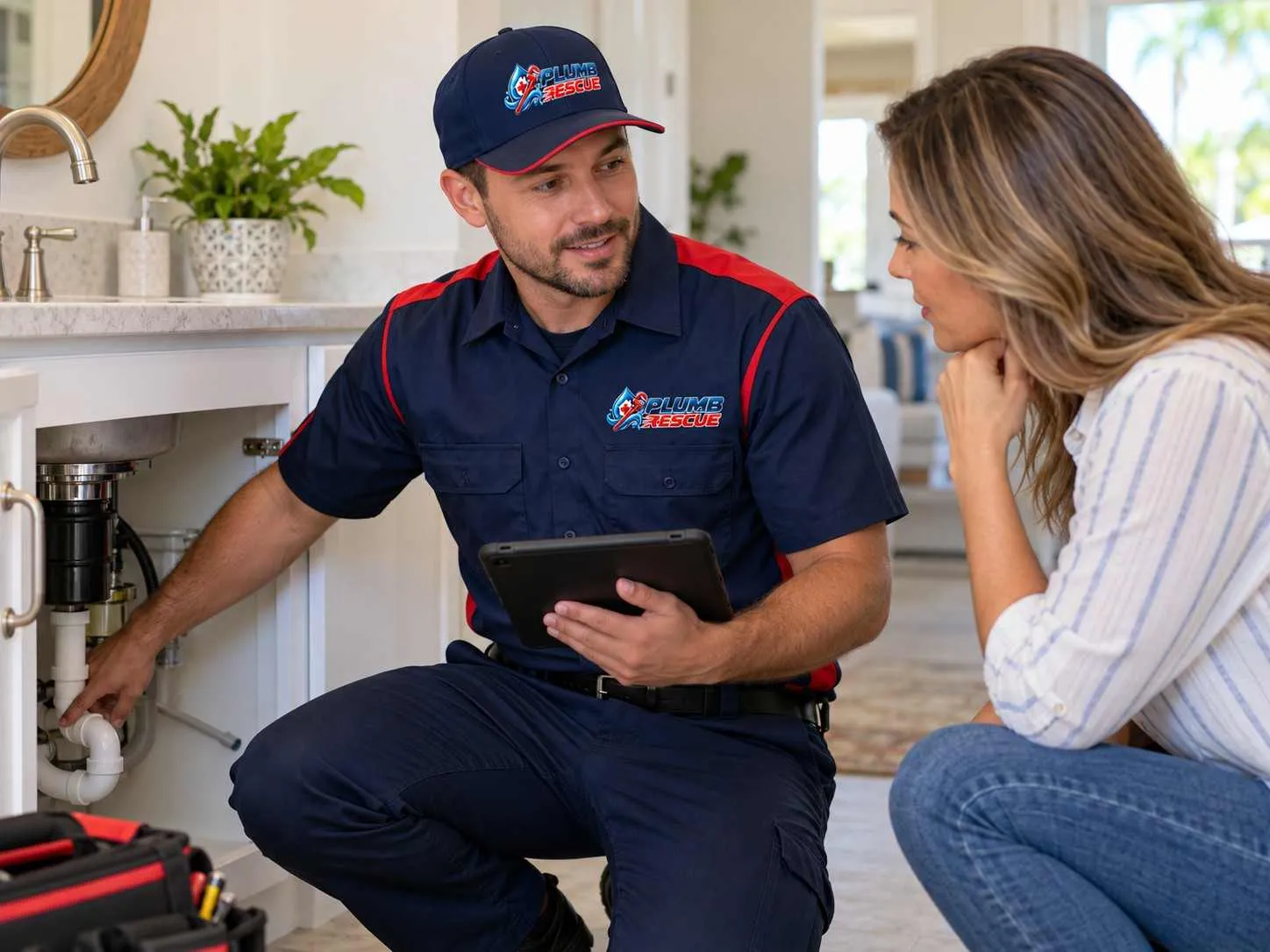
Measure Water Usage
How to Check Whether Your Home Is Losing Water Without You Knowing
An unusually high water bill does not automatically mean a concealed pipe has failed. Establish whether your property is consuming more water than expected before investigating individual plumbing connections.
- Compare Consumption Records: Review the water usage recorded on recent utility bills rather than comparing charges alone. Differences in billing periods, household occupancy, irrigation schedules and utility rates can affect the amount payable. Compare similar periods to establish whether the actual volume of water consumed has increased unexpectedly.
- Eliminate Normal Water Use: Choose a period when nobody needs to use water. Turn off faucets and avoid flushing toilets, operating washing machines or running dishwashers. Account for automatic equipment, including irrigation, pool auto-fill systems and water softeners. Do not disable essential equipment or interrupt a necessary water supply simply to complete the test.
- Record Meter Readings: Locate your property's water meter and record its cumulative reading if the display is safely and lawfully accessible. The EPA's household leak guidance recommends checking the meter again after two hours without water consumption. An increased reading indicates that water passed through the meter during that period and warrants further investigation.
Do not delay assistance for an active leak or worsening property damage while waiting to complete a meter test.
How to Read Your Water Meter in Bradenton
Manatee County provides separate water meter testing instructions for digital and direct-read meters.
A digital meter may display the current flow rate, while a conventional mechanical meter may contain a small moving flow indicator. The display and measurement units depend on the meter model.
Customers served by the county can review available water consumption records through its customer account portal. City of Bradenton customers can access billing information through the city's utility customer service division.
Confirm your provider and measurement units before comparing readings. Do not open locked meter enclosures or operate utility-owned equipment without authorization.
Narrow the Source
Which Hidden Water Users Should You Check Before Investigating Concealed Pipes?
Unexpected water consumption does not always come from a pipe inside a wall or beneath the foundation. Some of the most useful initial checks involve accessible fixtures and equipment that can release water without producing an obvious puddle.
- Silent Toilet Leakage: A toilet can lose water from its tank into the bowl without making a noticeable sound. Following EPA WaterSense guidance, place a few drops of food coloring into the tank of a conventional toilet. Wait ten minutes without flushing. If the color reaches the bowl, water is escaping through the tank's flushing mechanism. Flush afterward to prevent staining and arrange appropriate repair.
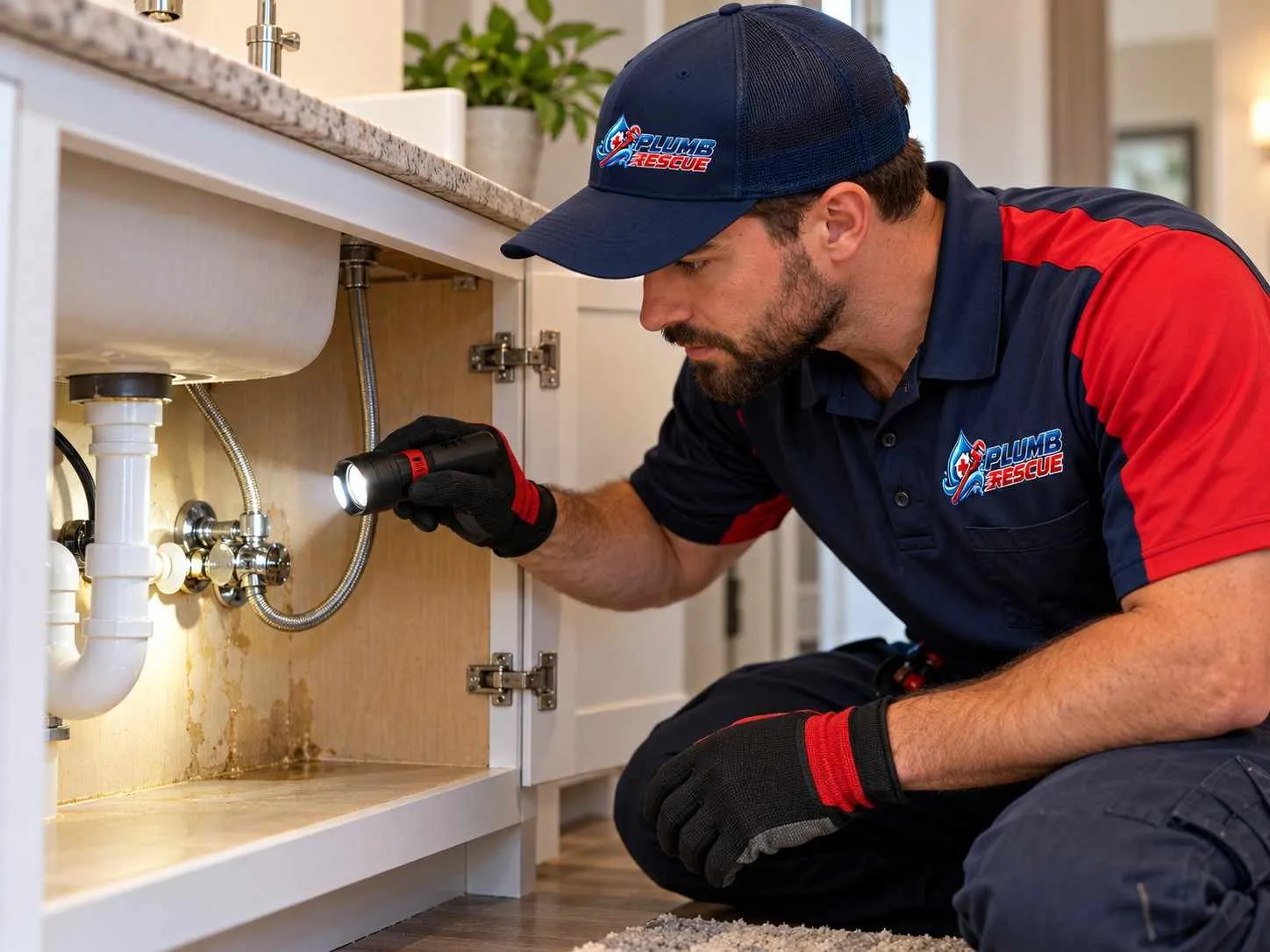
- Accessible Supply Connections: Look beneath sinks and around exposed appliance supply hoses, fixture valves and refrigerator water connections. Check for fresh moisture, mineral deposits or recurring dampness near accessible fittings. A dry cloth or paper towel can help reveal small amounts of moisture on a safely accessible connection. Do not move heavy appliances, disconnect pressurized fittings or reach into electrically unsafe areas.
- Automatic Water-Using Equipment: Review irrigation programs, pool auto-fill operation and water treatment equipment. These systems may consume water when nobody is using household fixtures. Establish whether their normal operating schedules explain the meter movement or whether unexpected operation requires further assessment.
Record What Each Observation Means
| Observation | Possible explanation |
|---|---|
| Colored water enters the toilet bowl without flushing | Leakage through the toilet's tank outlet or flush mechanism |
| Fresh moisture repeatedly appears on an accessible fitting | Possible leakage from that connection |
| Meter movement coincides with scheduled irrigation | Water consumption related to outdoor watering |
| Water use continues after automatic equipment has stopped | Another water user or a possible plumbing leak |
| An unexplained damp area remains while the meter is stationary | Intermittent leakage, retained moisture or a non-supply-water source |
These observations help narrow the investigation. They do not establish a diagnosis for every plumbing configuration.
If checking accessible components does not explain the water loss, avoid dismantling additional fixtures simply to continue the investigation.
Evaluate Findings
How to Narrow Down a Hidden Water Leak Without Opening Walls or Floors
The next decision depends on whether unexplained water movement continues and how that movement responds to changes in the property's water use.
Compare Supply Boundaries
If unexpected meter movement continues, a safely accessible and correctly identified private household shutoff may help narrow the affected supply area.
Close the household shutoff only if doing so is safe, appropriate for the property and authorized. Observe whether the metered flow changes.
| Meter behavior | Possible interpretation |
|---|---|
| Flow stops after the household valve closes | The water-consuming component may be downstream of the shutoff. |
| Flow continues after the household valve closes | Water may be passing through an upstream branch, a damaged service connection or a valve that has not isolated the supply completely. |
| Results vary between tests | Intermittent leakage or automatic water use may be affecting the observations. |
If the investigation points toward concealed plumbing beneath a concrete foundation, review our guide to slab leak signs.
If the evidence suggests a problem between the meter and the building, our article about underground water leaks explains the warning signs associated with buried service-line damage.
Neither observation establishes the exact leak location without further assessment.
Investigate Intermittent Water Loss
A leak that occurs only under certain operating conditions may not appear during your first meter test. Toilets may refill periodically, automatic equipment may run at different times and some drainage leaks occur only during fixture use.
Repeat the consumption test at another suitable time if the initial reading is inconclusive and the property remains safe.
Keep a brief record of:
- The starting and ending meter readings.
- The measurement units shown on the meter.
- The time and duration of each observation.
- Fixtures and automatic equipment in operation.
- Whether closing a private shutoff changed the reading.
- The location and timing of any visible moisture.
Do not deliberately reproduce a leak that is damaging the property. Existing observations are sufficient to explain the problem to a responding contractor.
Know When Professional Detection Is Necessary
When repeated tests show unexplained water consumption but accessible fixtures do not reveal the source, further homeowner checks may provide limited value.
Request professional leak detection assistance when concealed plumbing requires investigation. Share your recorded meter readings, observed symptoms and any relevant isolation results.
Ask the responding contractor what evidence supports the suspected leak location before authorizing access through walls, floors or other finished surfaces. The required investigation depends on the property's plumbing layout and the nature of the suspected water loss.
Investigation Questions
Common Questions About Finding Hidden Water Leaks
Does a stationary water meter mean my house has no hidden leaks?
No. A stationary reading only indicates that the meter has not registered water movement during the observation period. Intermittent leakage, very small flows below the meter's detection capability, fixture drainage problems and moisture originating outside the metered supply may remain undetected. Persistent unexplained dampness requires further assessment even when the meter test appears normal.
Can I request a water bill adjustment after repairing a hidden leak in Manatee County?
Manatee County Utilities provides a water and wastewater adjustment request process for qualifying circumstances. Its high water bill guidance explains how customers can access the relevant application through their utility account. Keep your repair invoice and supporting records. Eligibility and adjustment amounts depend on the provider's applicable requirements and review.
When should I stop trying to locate a hidden leak myself?
Stop when further investigation requires opening finished surfaces, moving heavy equipment, operating unfamiliar valves or entering unsafe areas. Arrange professional assessment promptly if water consumption continues increasing, fresh moisture keeps appearing or the property develops additional damage. A recorded set of observations is more useful than an unsupported assumption about which pipe has failed.